Education
Why use a bidet?
Most of the world already cleans with water. If you grew up with toilet paper alone, the switch takes about a day to get used to — and almost nobody switches back.
A short history
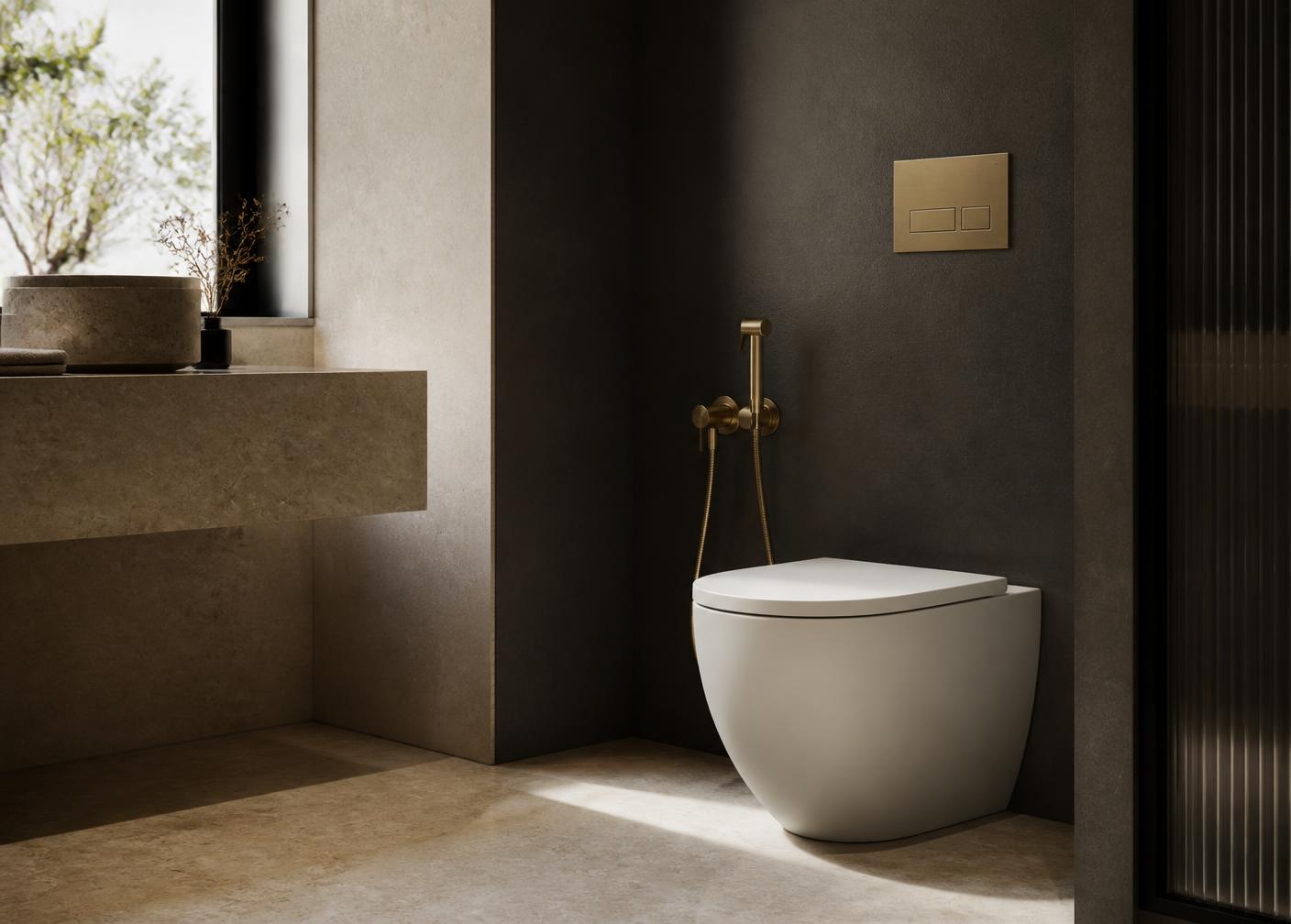
Water-based cleaning has been the norm across South Asia, the Middle East, Southeast Asia and much of southern Europe for centuries. The handheld sprayer — often called a health faucet, shattaf or Muslim shower — is simply the modern plumbing version of that habit: a small sprayer on a flexible hose, fed from the same cold line that already fills your toilet tank.
Water cleans, paper dries
Dry paper smears; water rinses. That is the whole idea. With a hand bidet you rinse first, then use a small amount of paper or a dedicated towel to pat dry. People report feeling genuinely clean rather than just "wiped", and they use a fraction of the paper they used to.
Comfort and sensitive skin
Repeated wiping is abrasive. Rinsing with water is gentler, which is why hand bidets are commonly used during pregnancy, postpartum recovery, menstruation, hemorrhoid recovery and by people with limited mobility. Austic does not make medical claims — if you have a specific condition, ask a healthcare professional whether a bidet suits you.
Environmental impact
A typical household gets through thousands of sheets of toilet paper a year, plus the packaging and freight behind it. Switching the cleaning step to water and keeping paper for drying cuts that consumption sharply, with no electricity and no consumables to replace.
What about cold water?
Cold-water models are what most of the world uses, and after a few days it simply feels refreshing. If your climate is cold or you would rather not think about it, choose a hot & cold mixer model — a ceramic cartridge lets you set the temperature once and forget it.